

Female Crown Transplant
Dense and fuller hair
Procedure Information at a Glance
Quick overview of treatment time, anesthesia, recovery, and recommended interval. Key information to know before the procedure.


Recommended For
Learn whether this procedure suits your concerns. Check if it matches your situation.
 01
01Female Crown Transplant Dense and voluminous! Hair you can confidently tie up.
Why Choose This Procedure
Key benefits and expected results of this procedure.
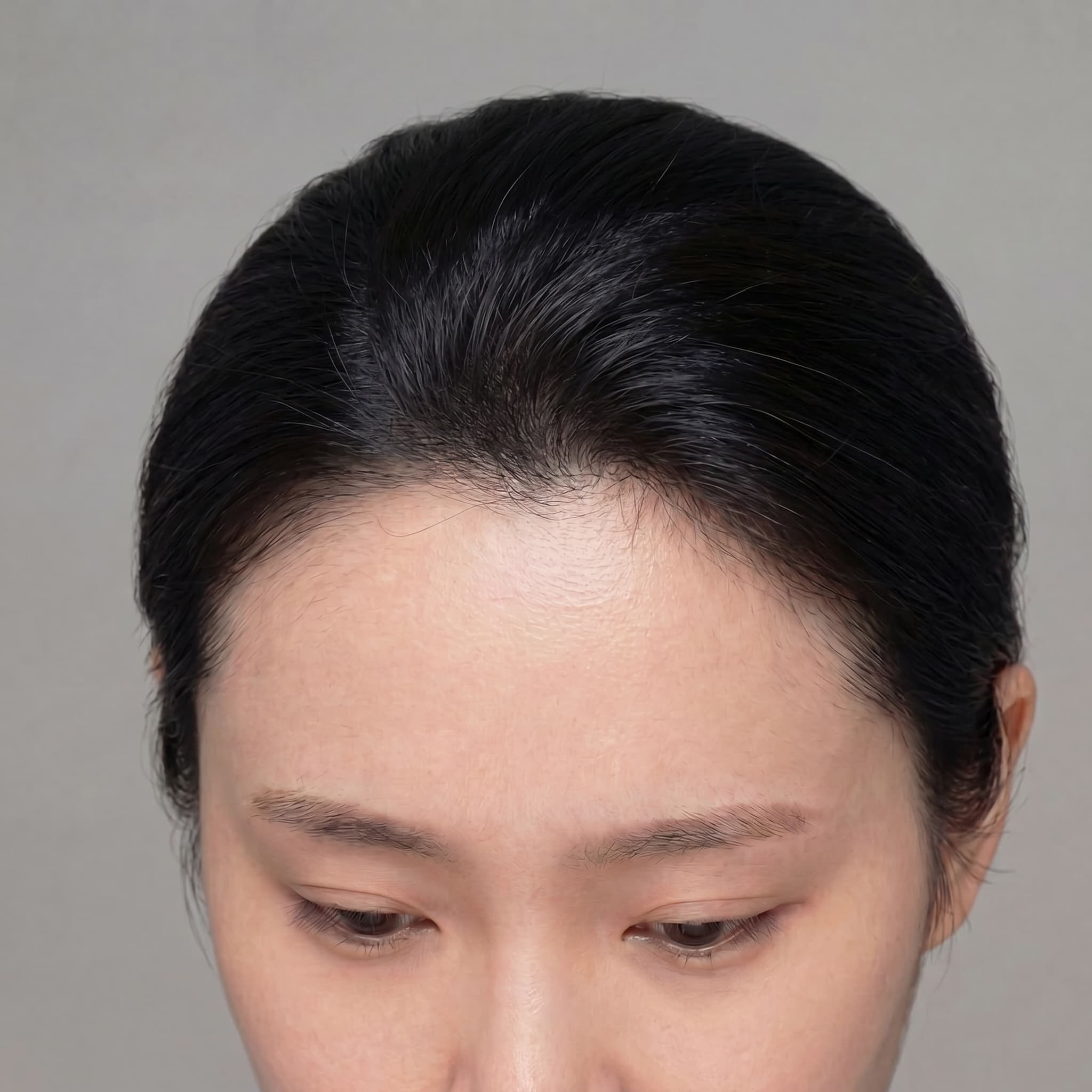
Zero Damage High-Density Slit Transplant Zero damage follicle high-density slit transplant. Minimize follicle damage, maximize survival rate.

Consider Individual Face Shape Consider individual face shape. Natural design.

Non-Incision/Non-Shaven When proceeding with non-incision/non-shaven. Minimize scarring, fast recovery.
Is This Right for Me?
Accurate diagnosis requires in-person consultation with our medical team. Schedule a consultation now.
What Makes It Special
Discover what makes Ineeclinic's approach to this procedure unique.

Non-incision, non-shaving hair transplant for quick daily recovery with no scarring concerns

We design a natural hairline considering facial shape and forehead proportions

Achieving high survival rates through delicate extraction and implantation that minimizes follicle damage

Providing optimal surgical results based on extensive experience with various transplant cases
Core Principles
Learn how the procedure works and what technologies and devices are used.

Solutions Used in This Procedure
Devices, medications, and solutions used in this procedure.
Important Precautions
Pre- and post-procedure precautions. Review carefully for safe and effective results.
Frequently Asked Questions
Frequently asked questions from our patients.
Follicles harvested from the occipital area are not affected by hair loss genes, so they are maintained semi-permanently after transplantation.
New hair begins growing 3-4 months after transplantation, and you can see the natural final results over 6-12 months.
It varies depending on the number of donor follicles in the occipital area, and we will guide you on the transplantable range and expected results through prior consultation.
Evidence-Based Practice, Backed by Research
Academic publications supporting the efficacy and safety of this procedure.
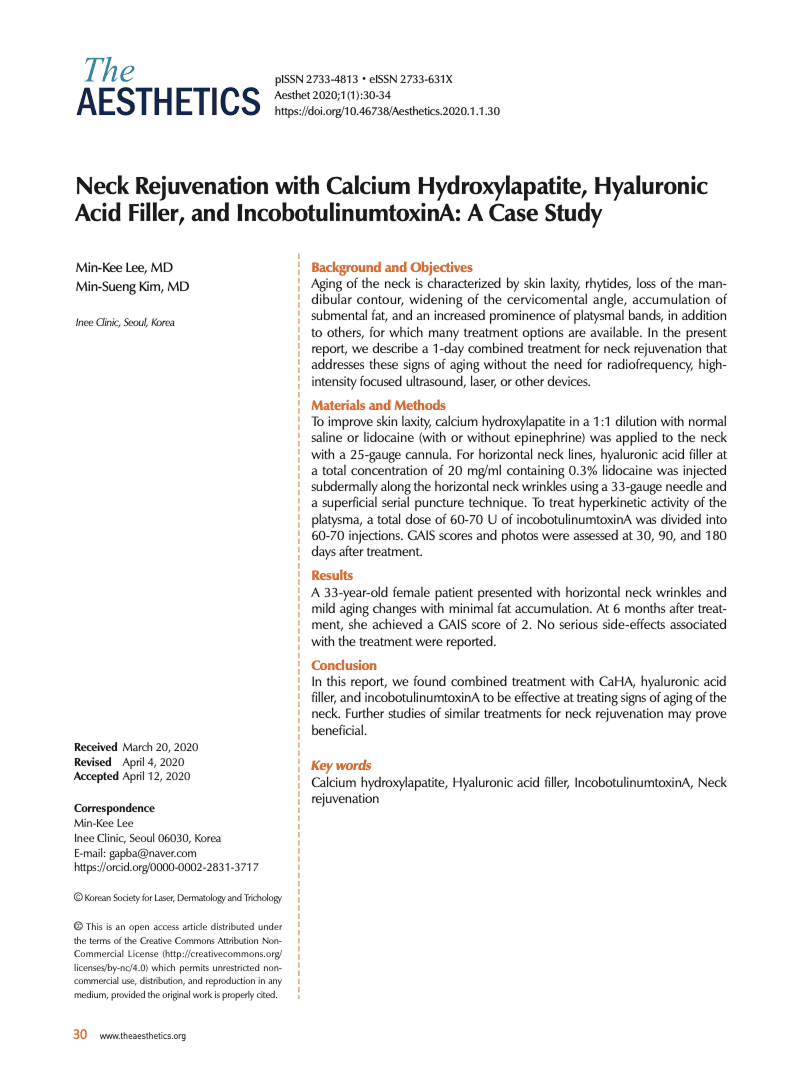
Neck Rejuvenation with Calcium Hydroxylapatite, Hyaluronic Acid Filler, and IncobotulinumtoxinA: A Case Study Korean Association for Laser Dermatology and Trichology
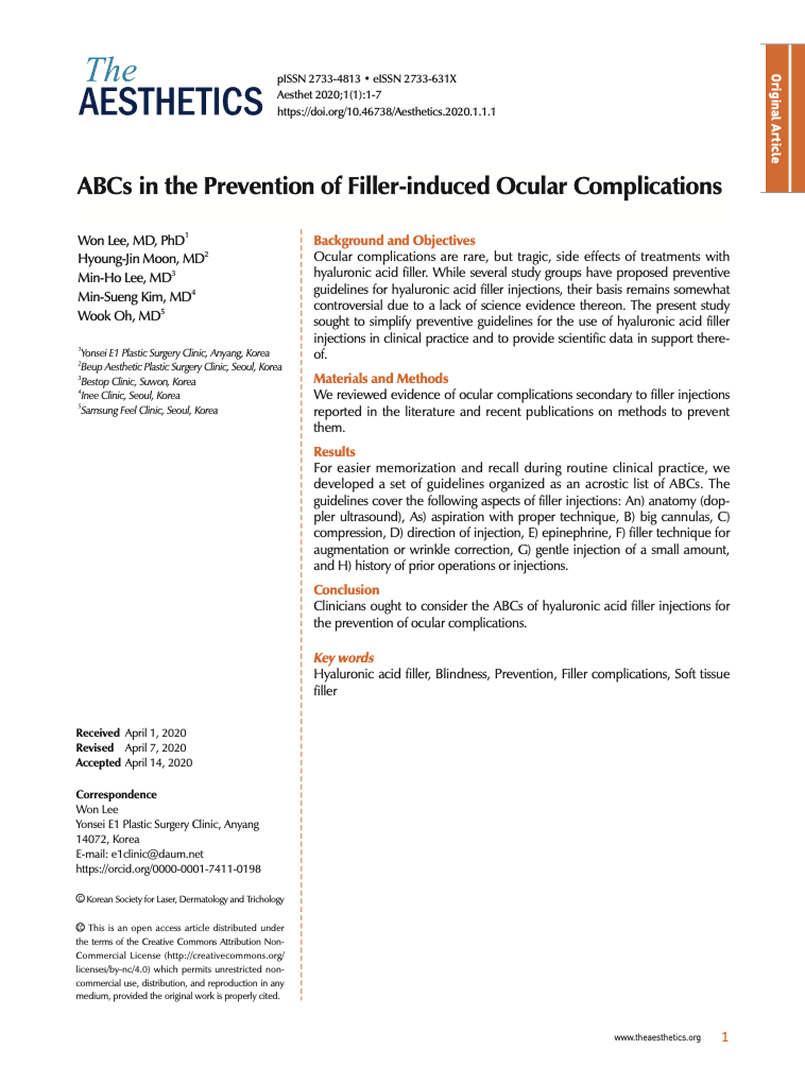
ABCs in the Prevention of Filler-induced Ocular Complications Korean Association for Laser Dermatology and Trichology
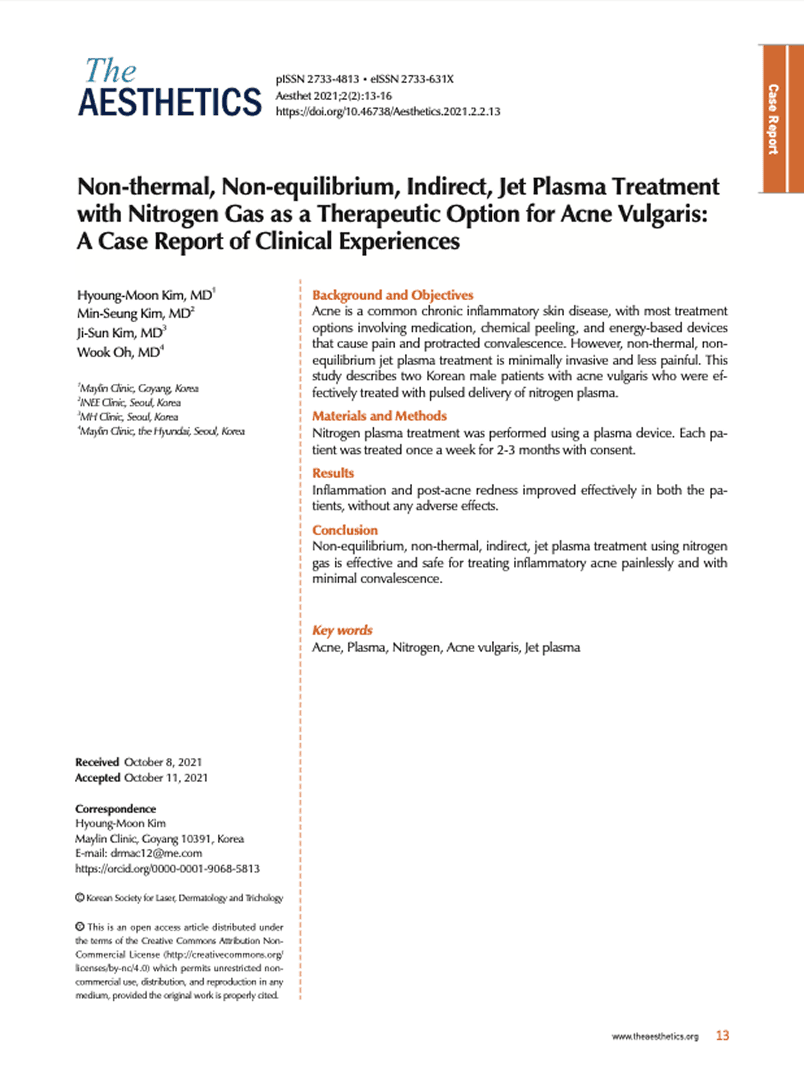
Non-thermal, Non-equilibrium, Indirect, Jet Plasma Treatment with Nitrogen Gas As a Therapeutic Option for Acne Vulgaris: A Case Report of Clinical Experiences Korean Association for Laser Dermatology and Trichology
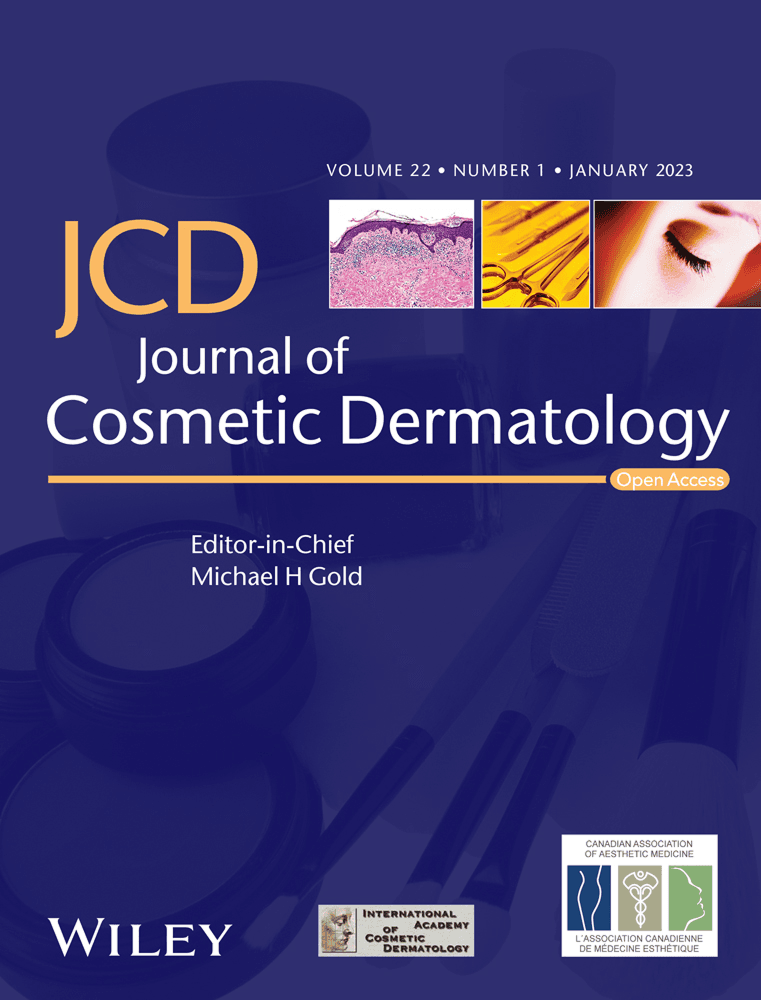
Pre-injection ultrasound scanning for treating temporal hollowing Journal of Cosmetic Dermatology
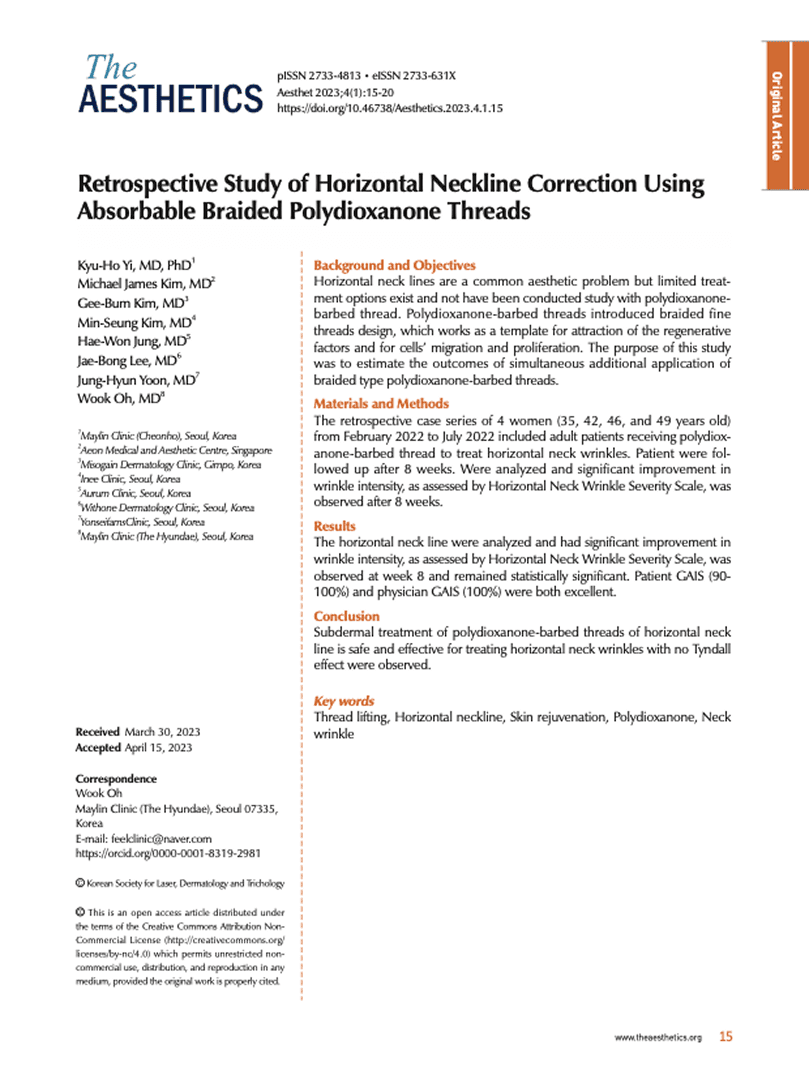
Retrospective Study of Horizontal Neckline Correction Using Absorbable Braided Polydioxanone Threads Korean Association for Laser Dermatology and Trichology

Sonoanatomy of the platysmal bands: What causes the platysmal band? Surgical and Radiologic Anatomy
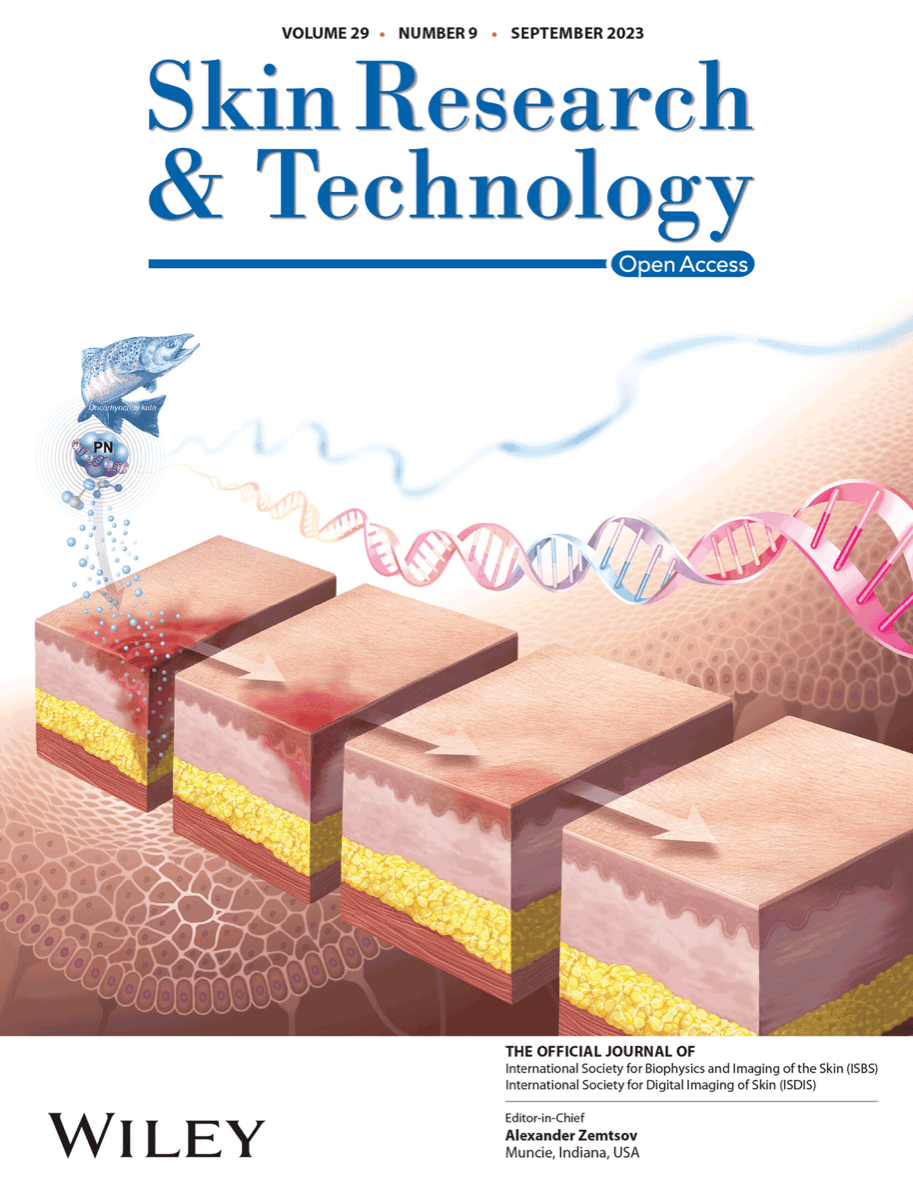
Current practices and perceived effectiveness of polynucleotides for treatment of facial erythema by cosmetic physicians Skin Research
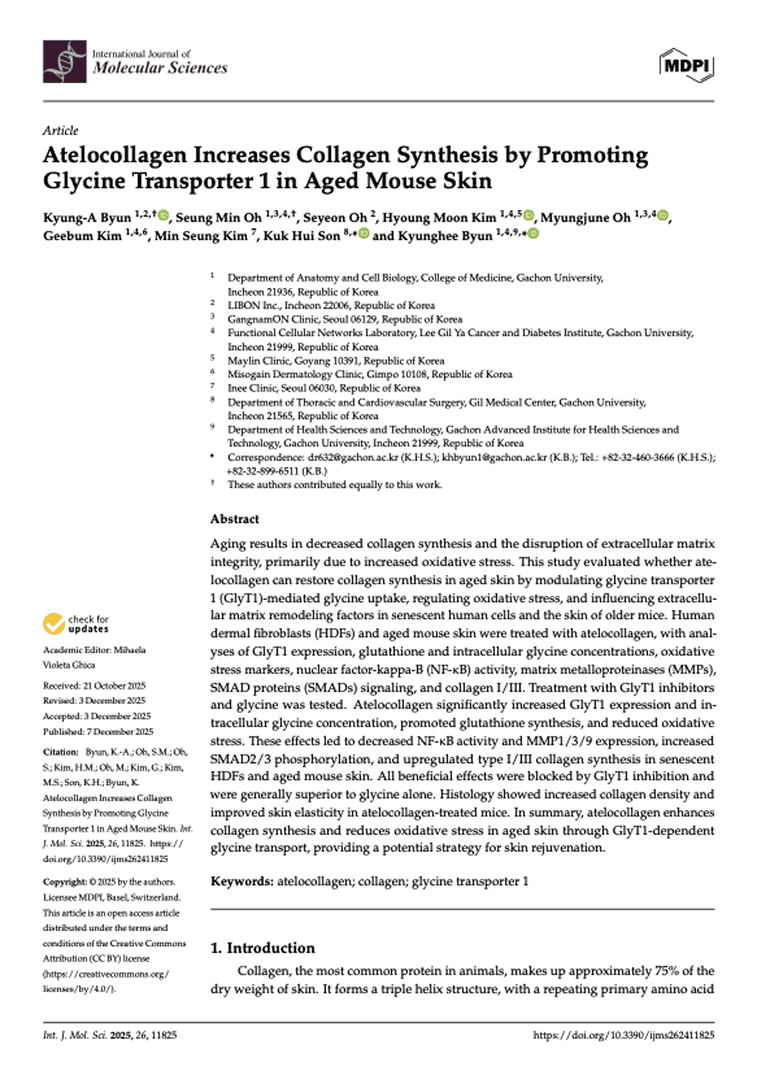
Atelocollagen Increases Collagen Synthesis by Promoting Glycine Transporter 1 in Aged Mouse Skin International Journal of Molecular Sciences
Find the Right Procedure for You
Explore other procedures that may interest you. We welcome personalized consultations anytime.